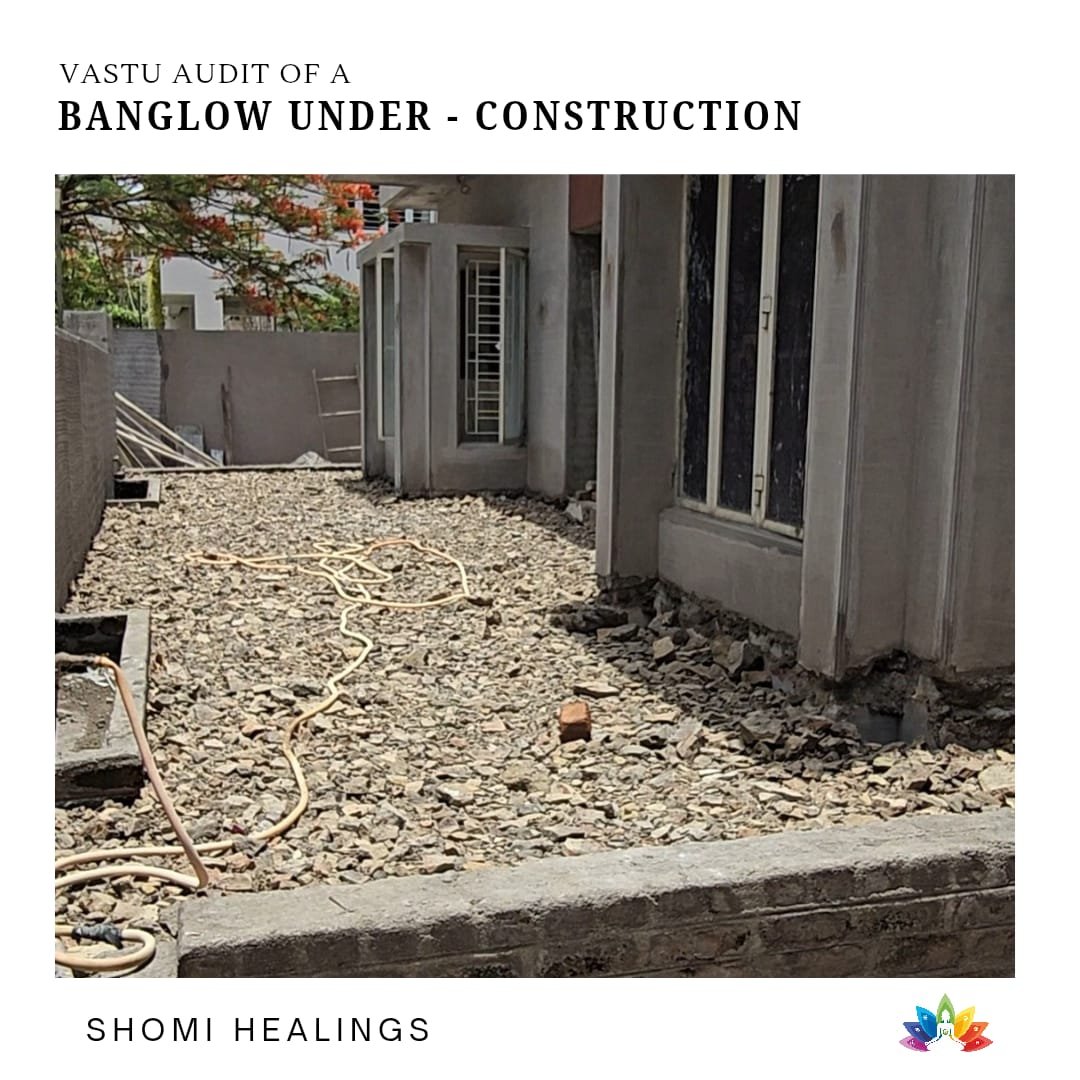
Imbalance causing interruptions in construction flow
Delay in work and construction process.
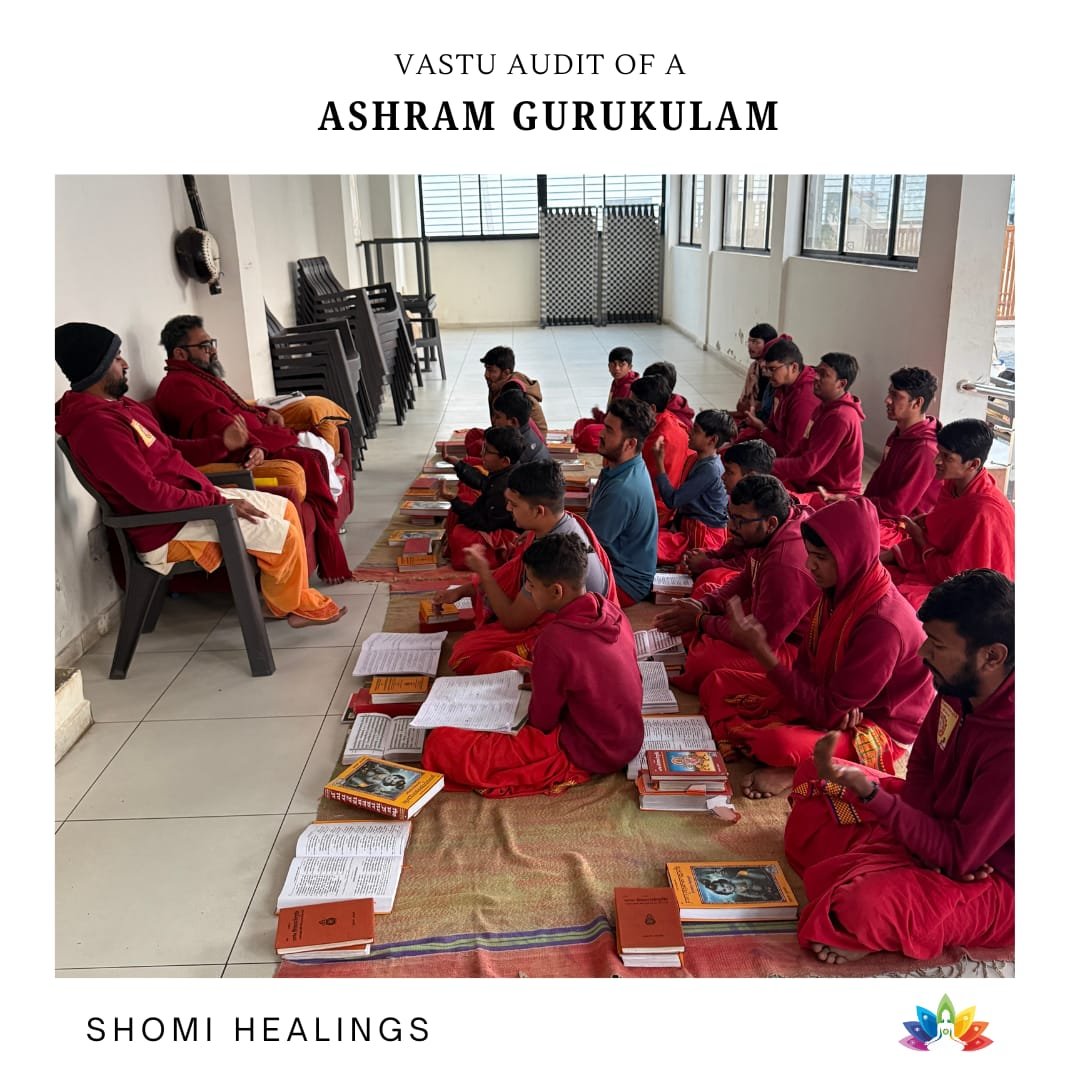
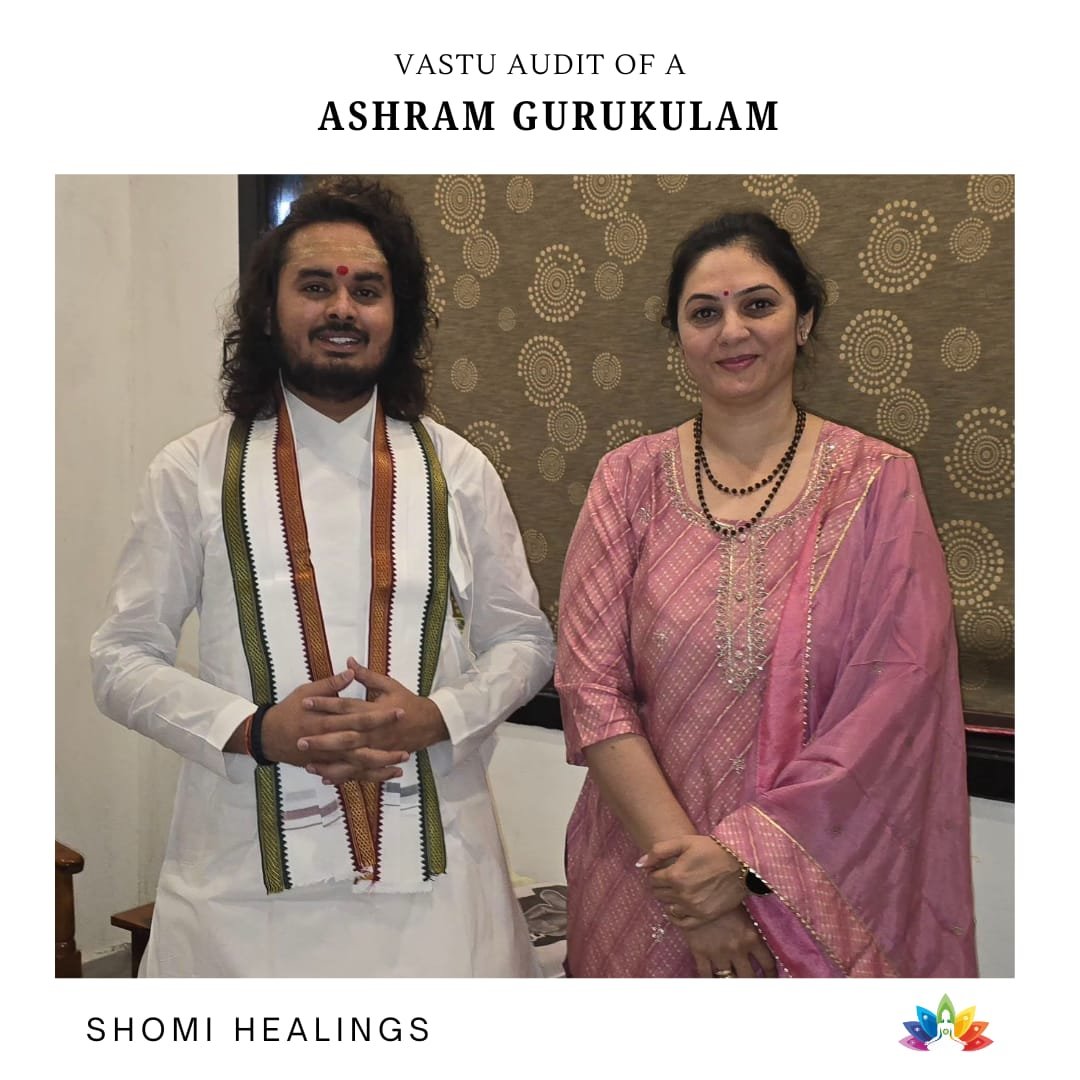
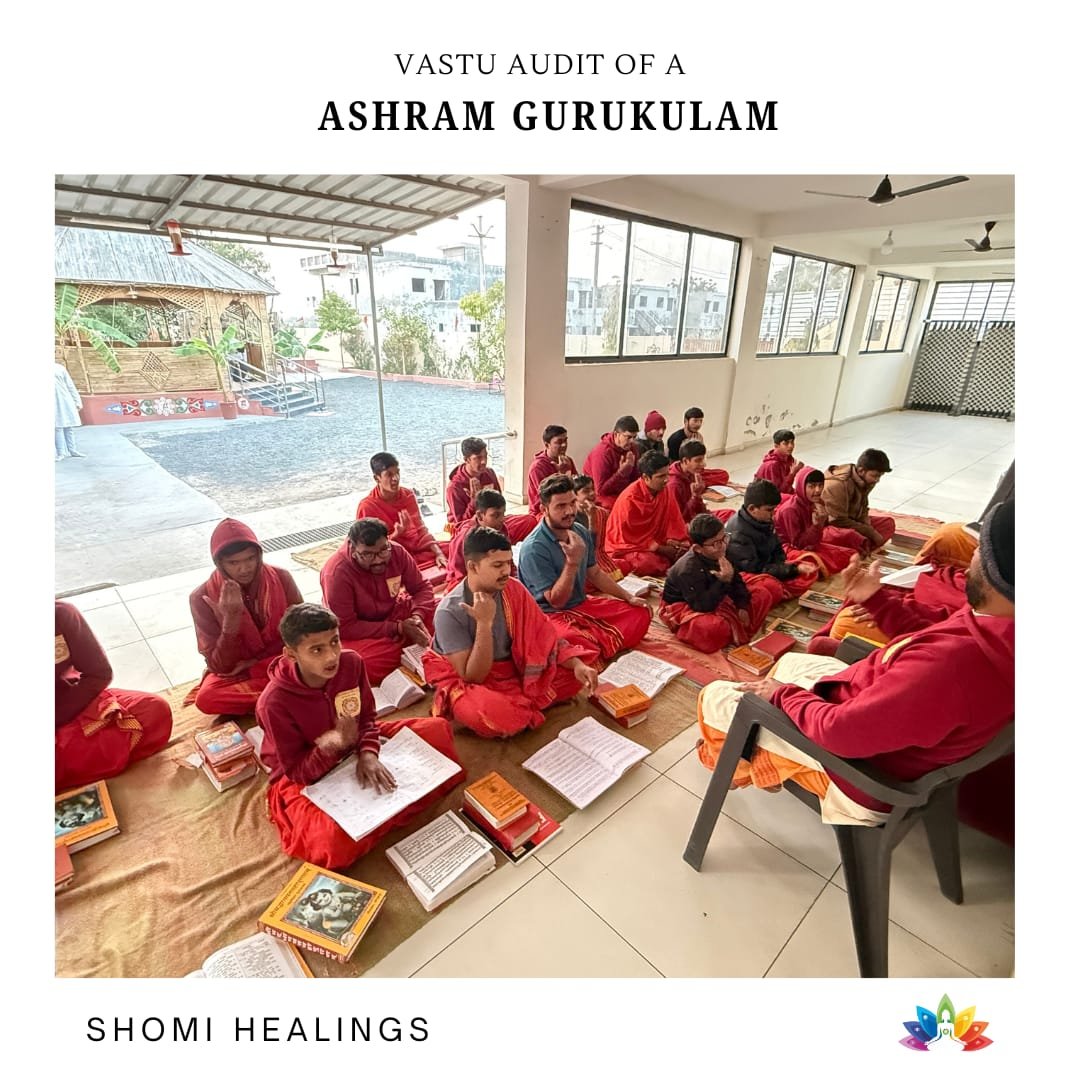
Yuvacharya Dasji Maharaj | Capacity : 500 plus students
Rajasthan
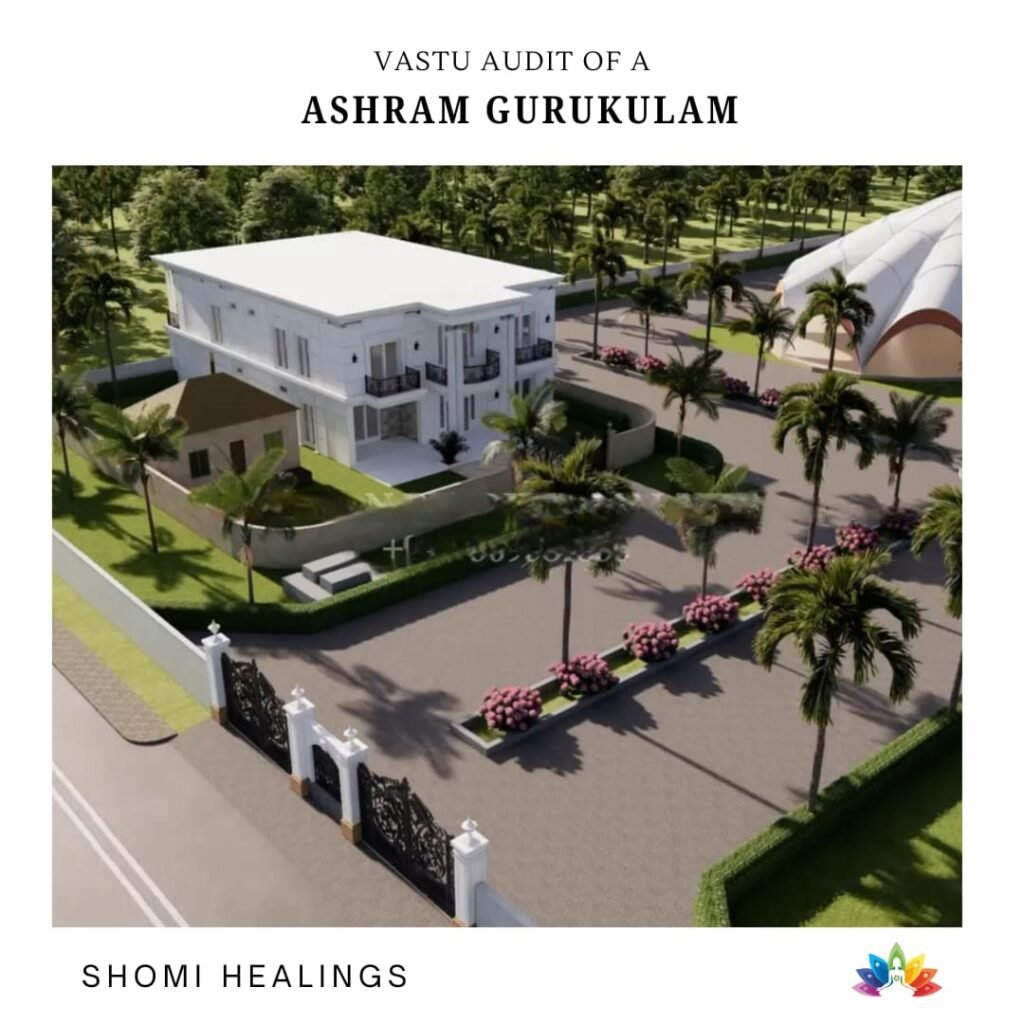
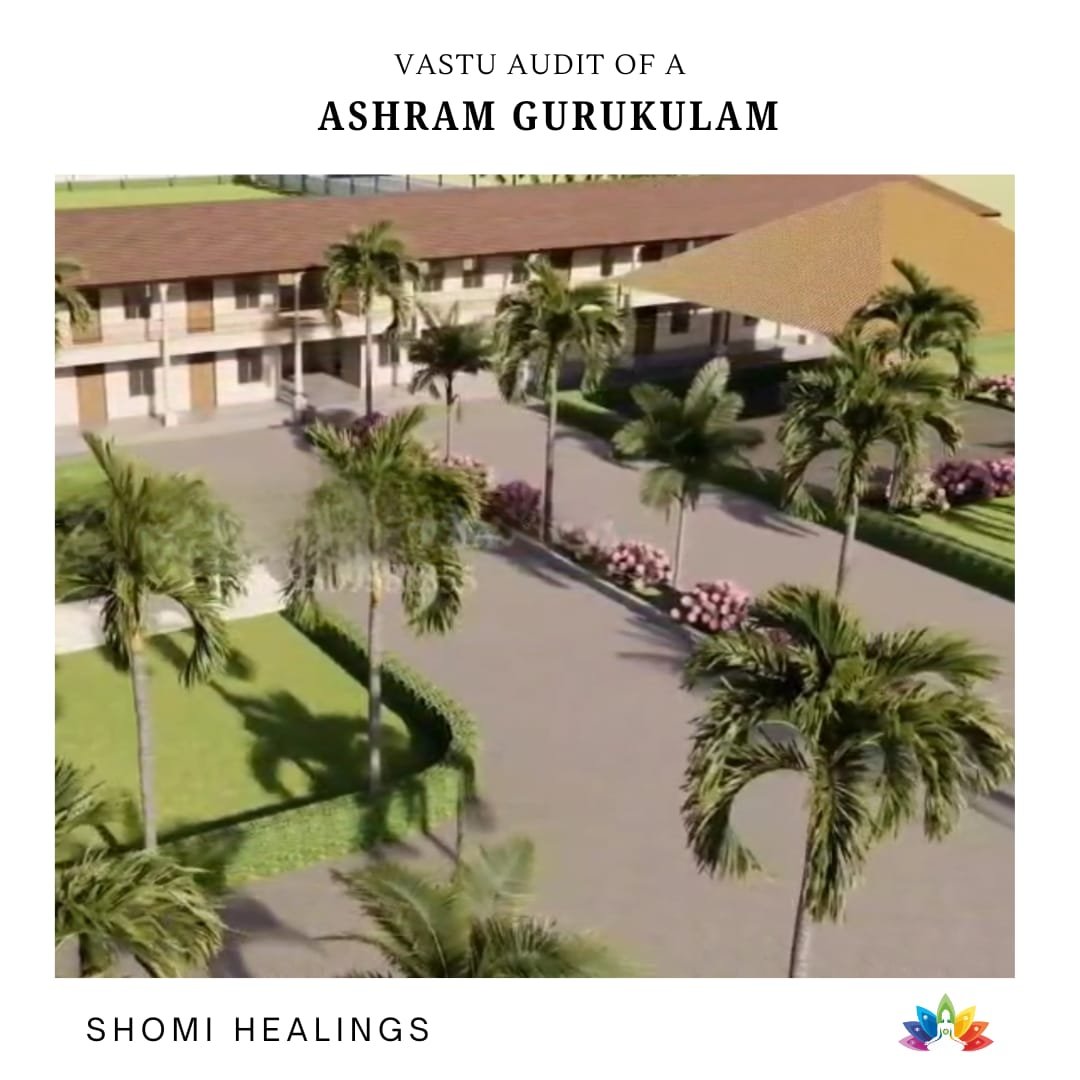
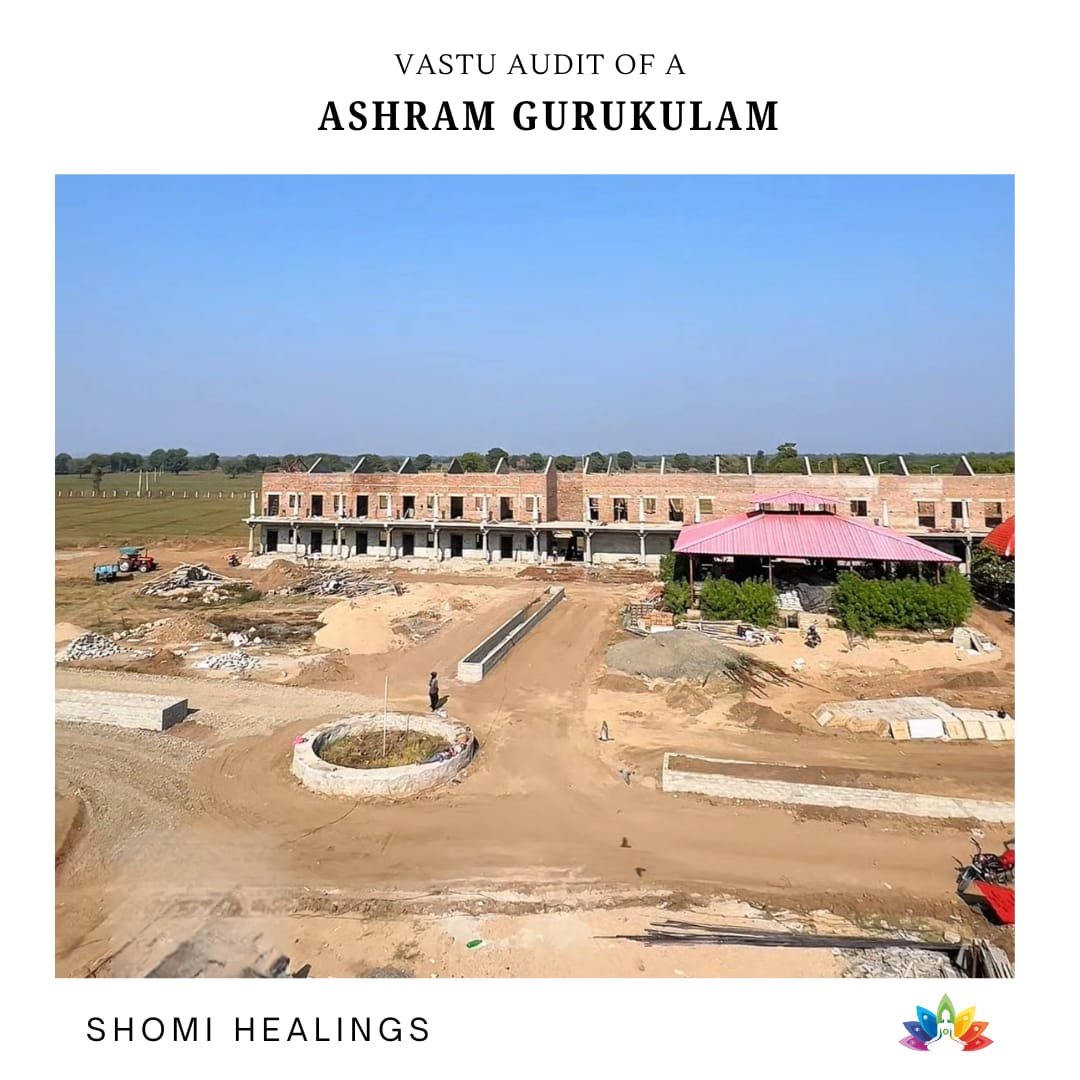
Ashram Gurukulam | Land area : 1.5 acre
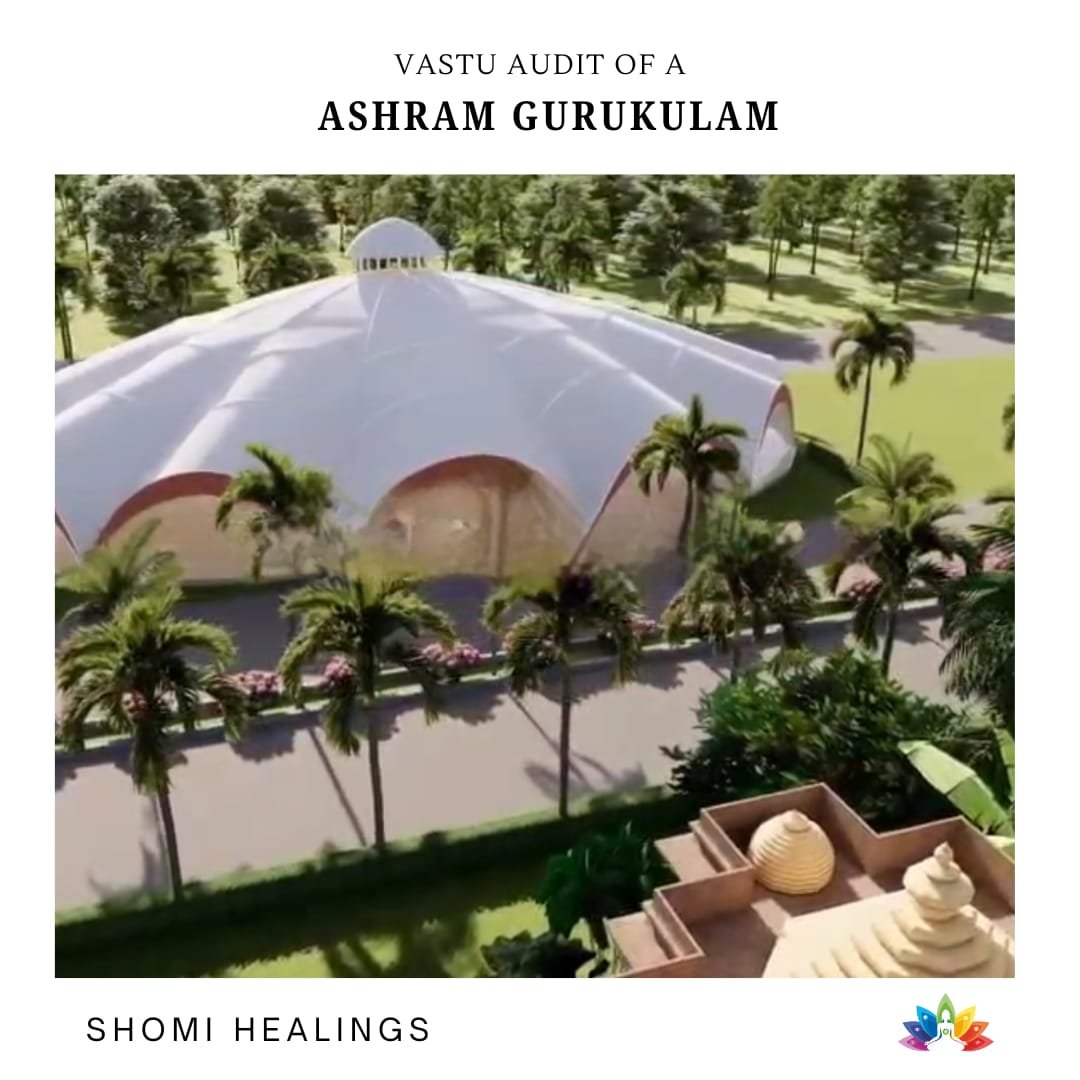
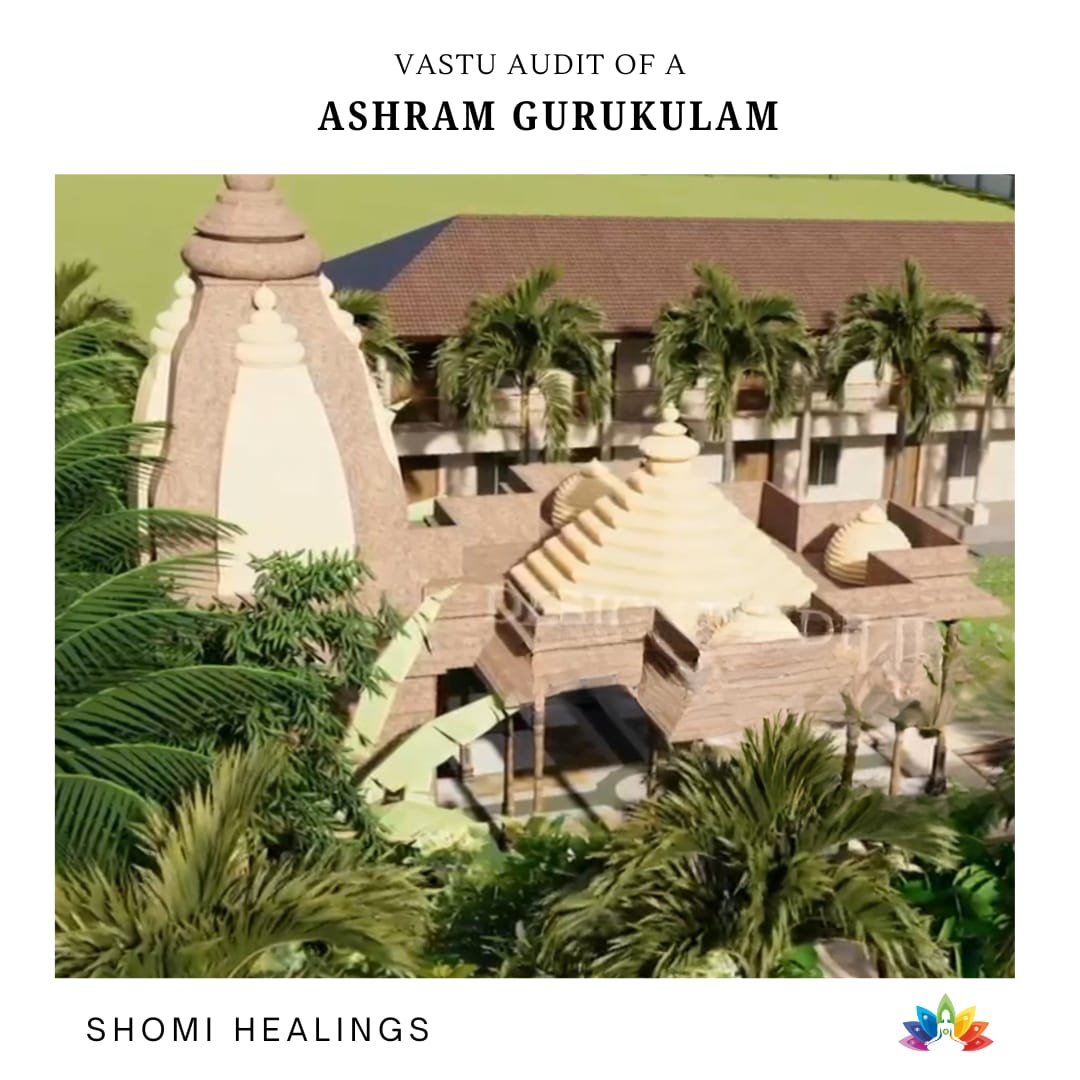
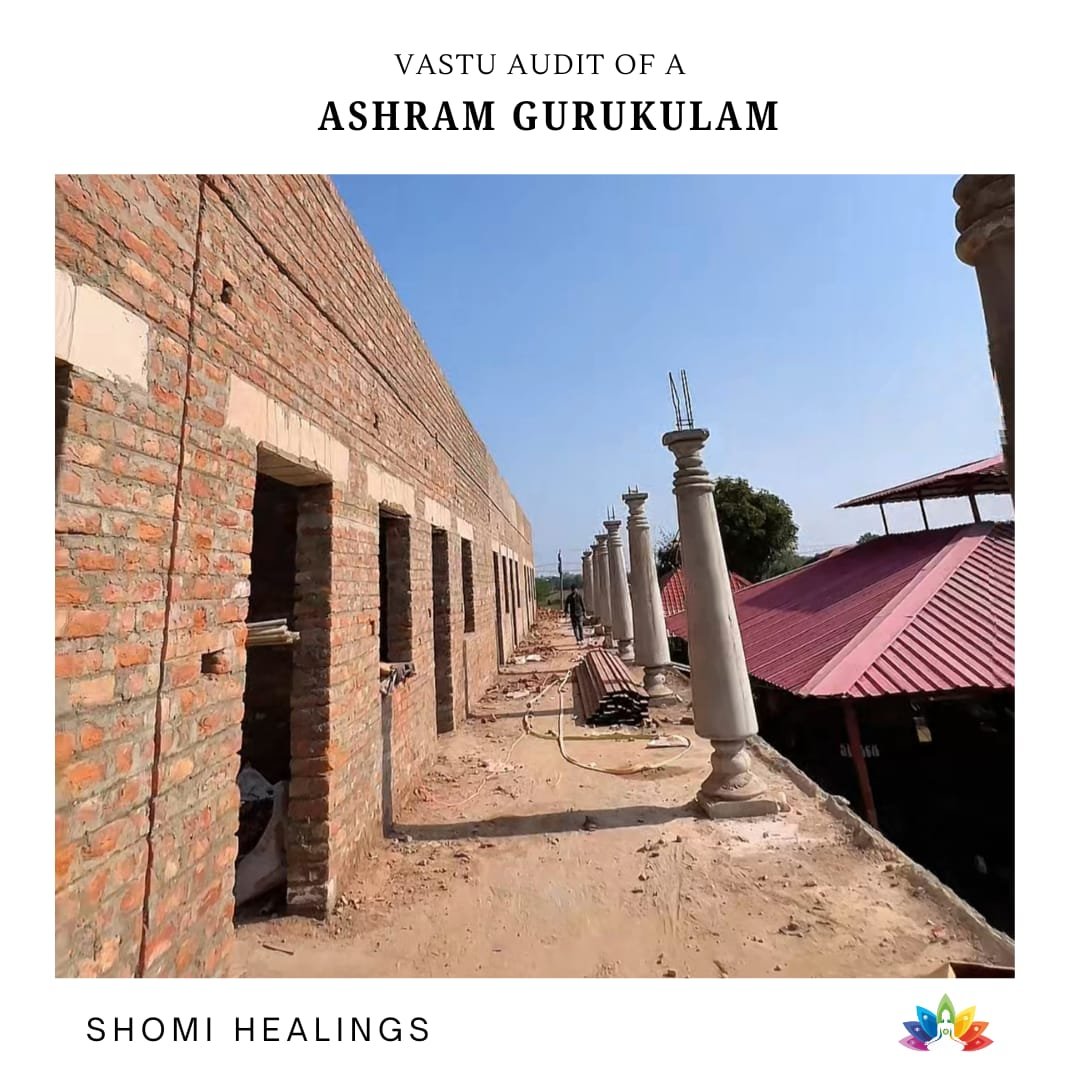
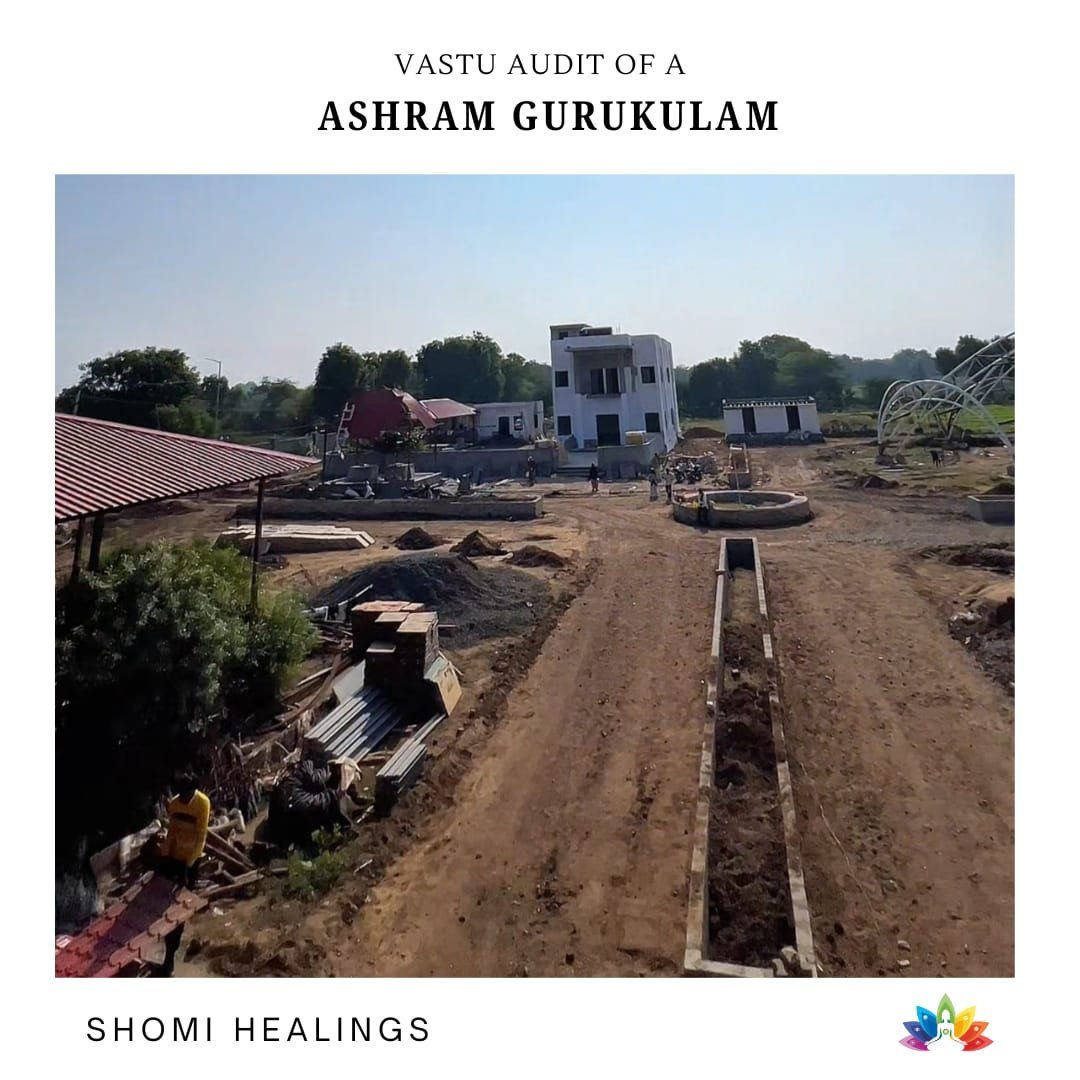
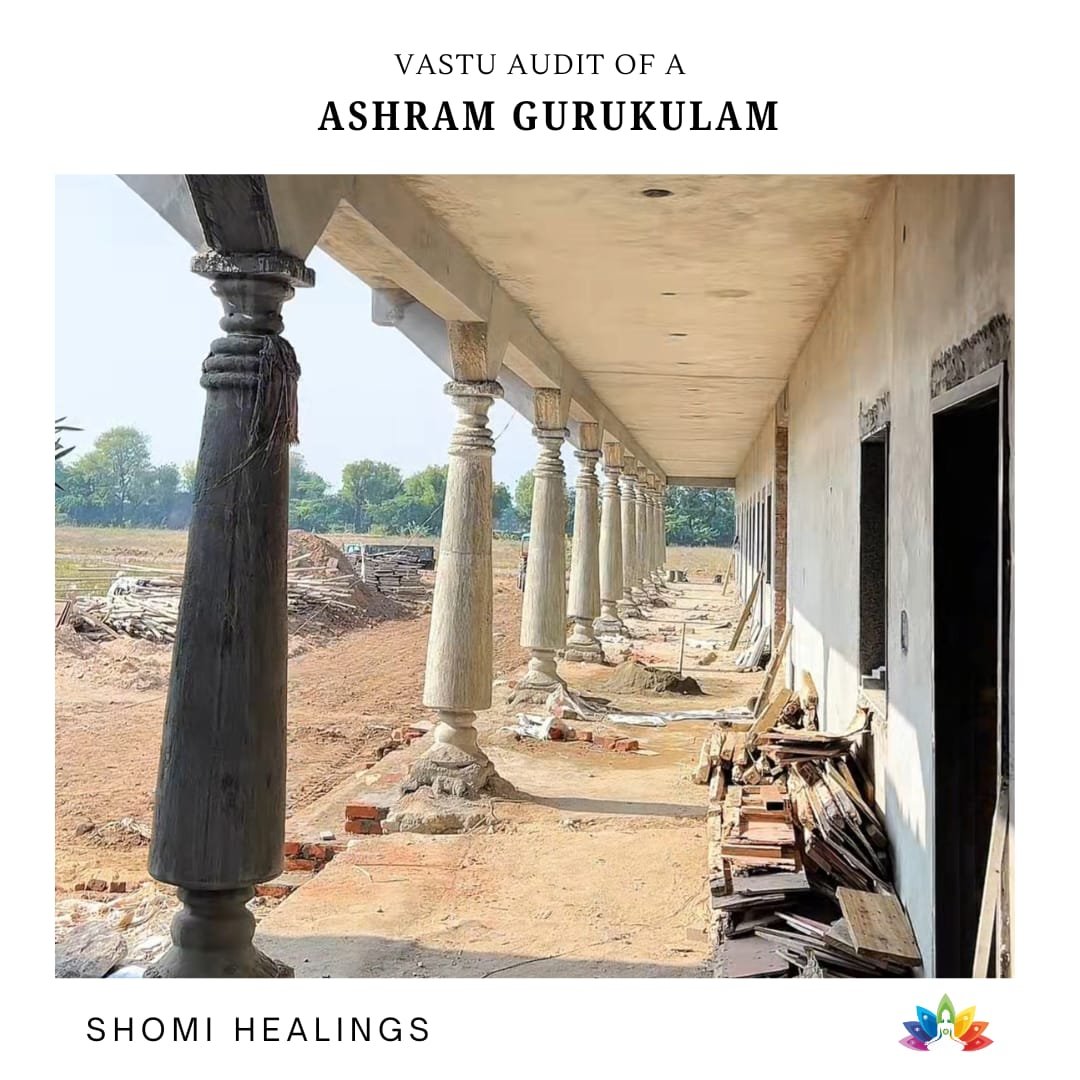
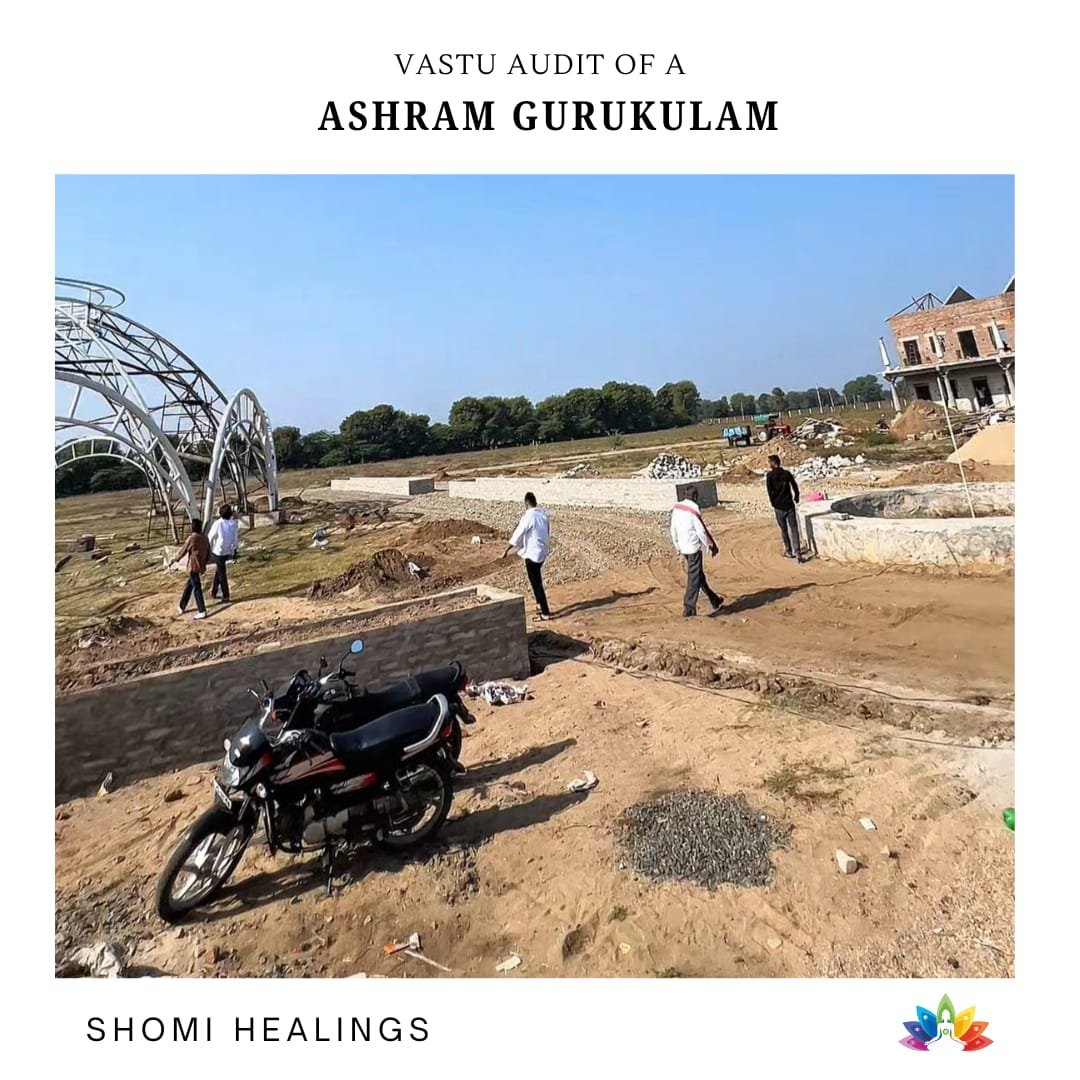
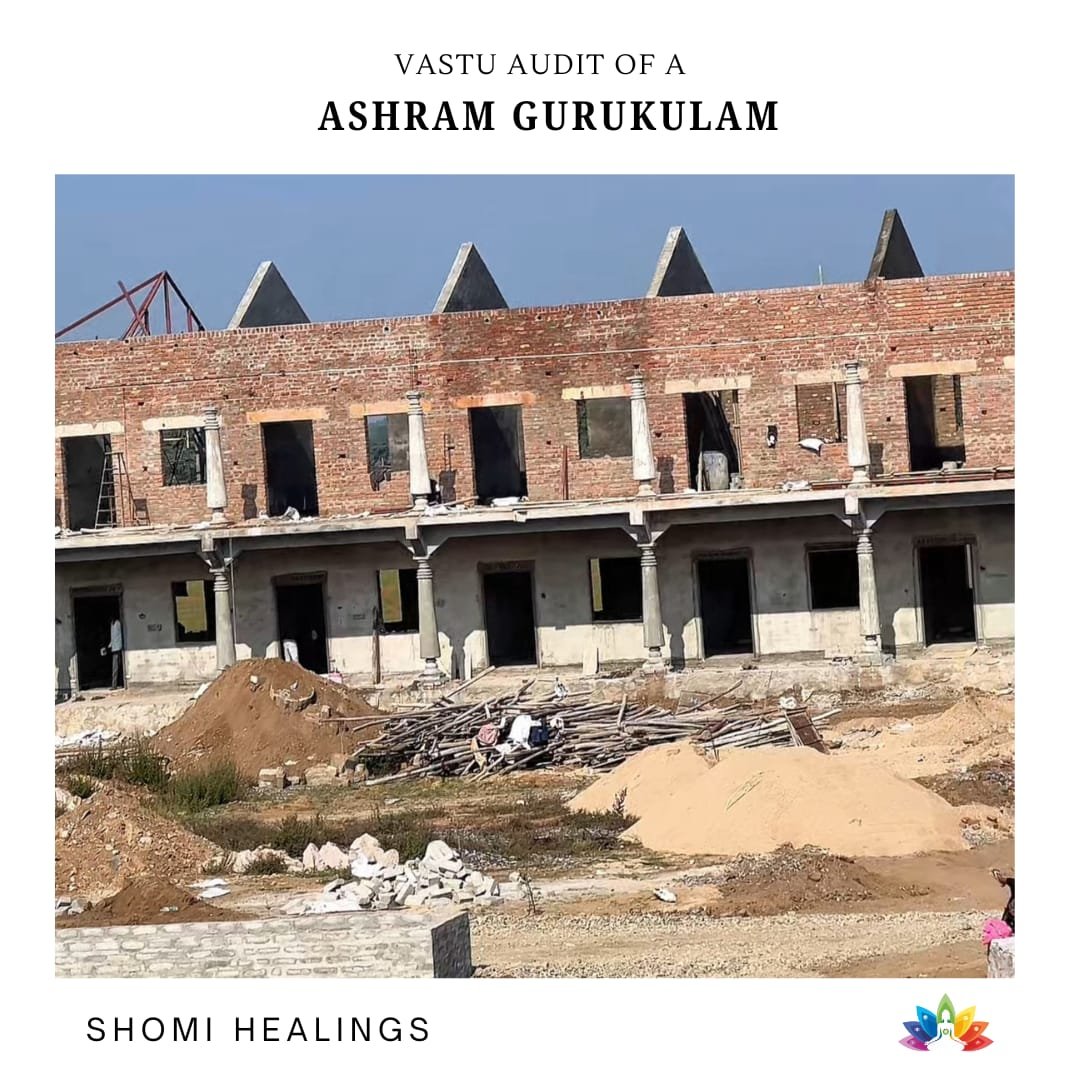
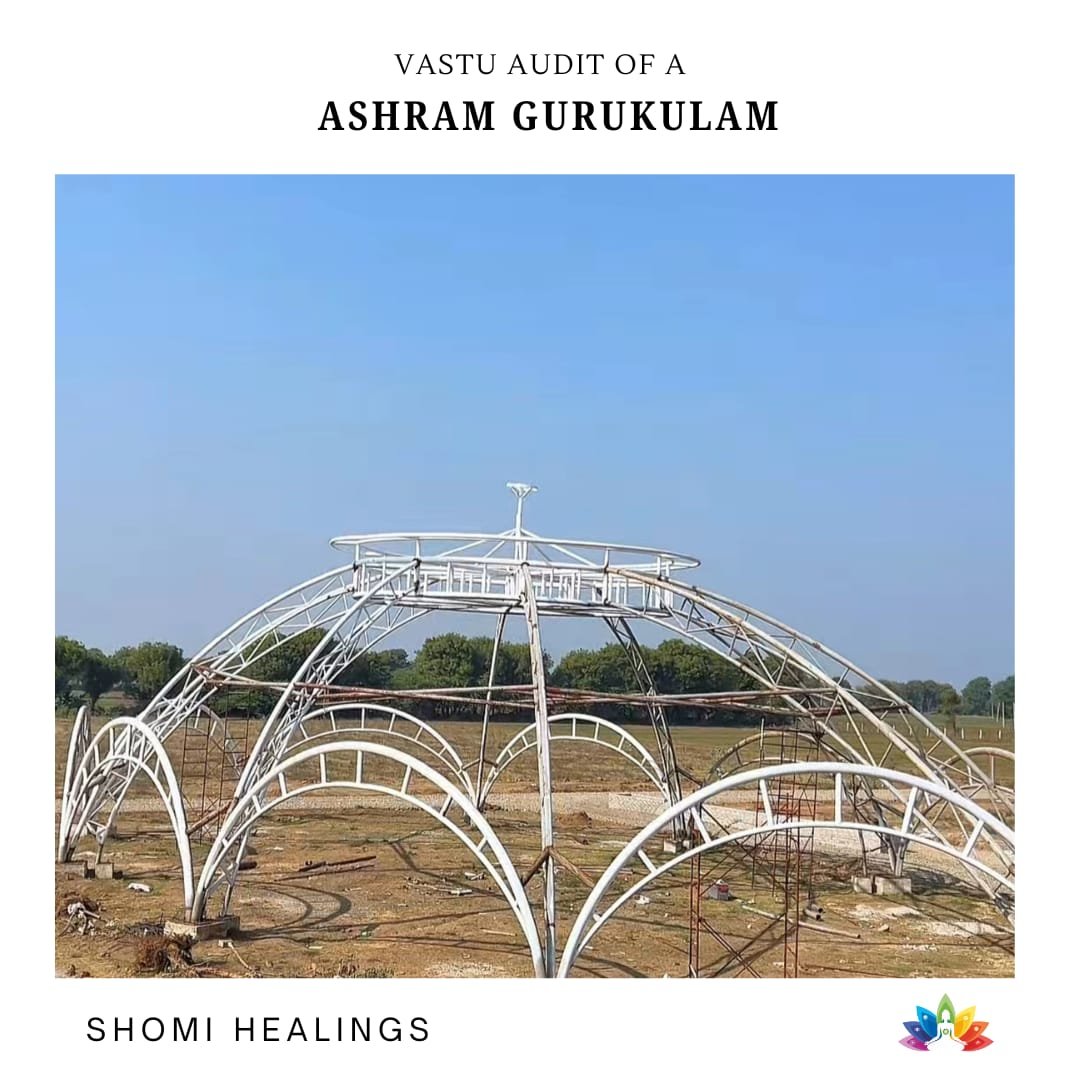
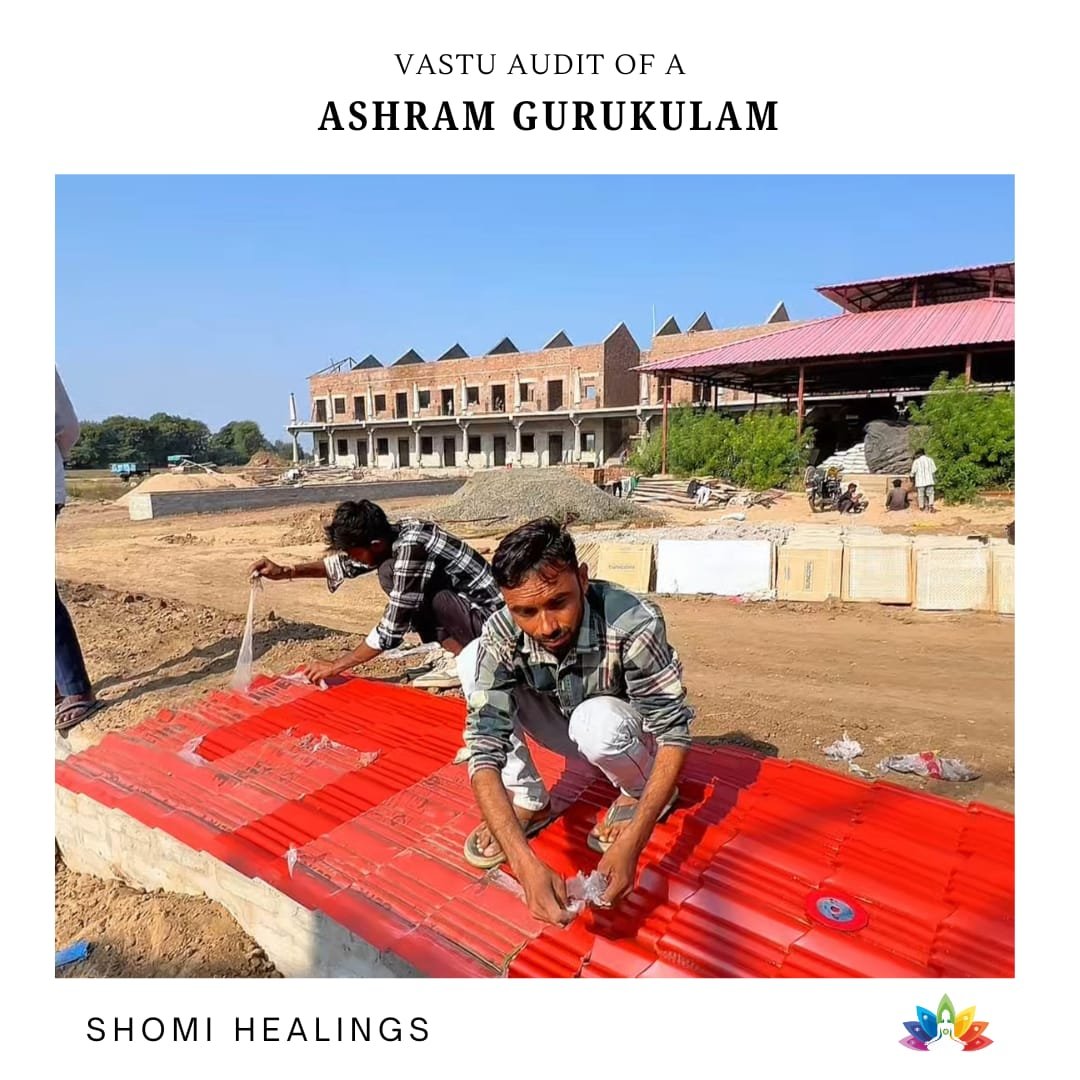
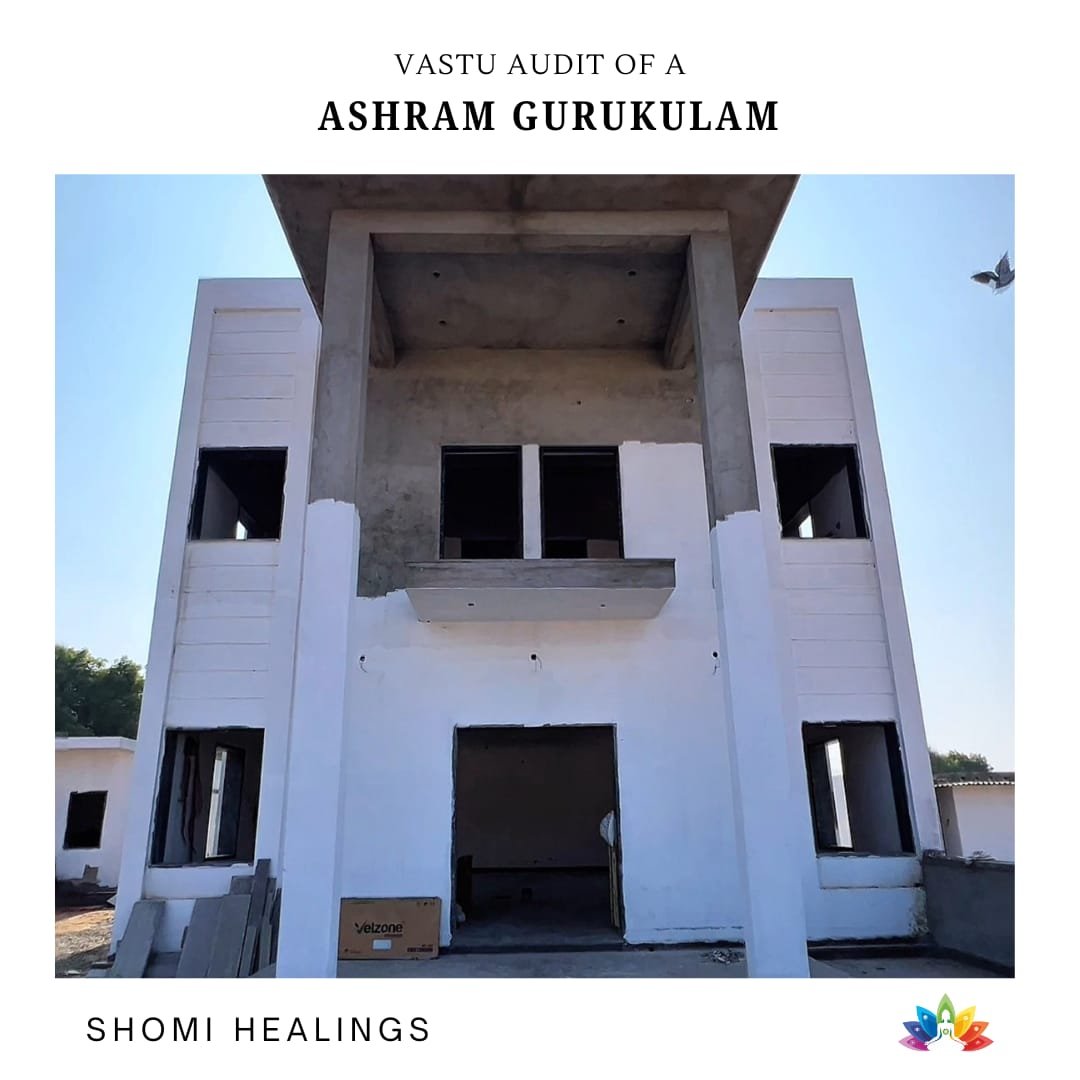
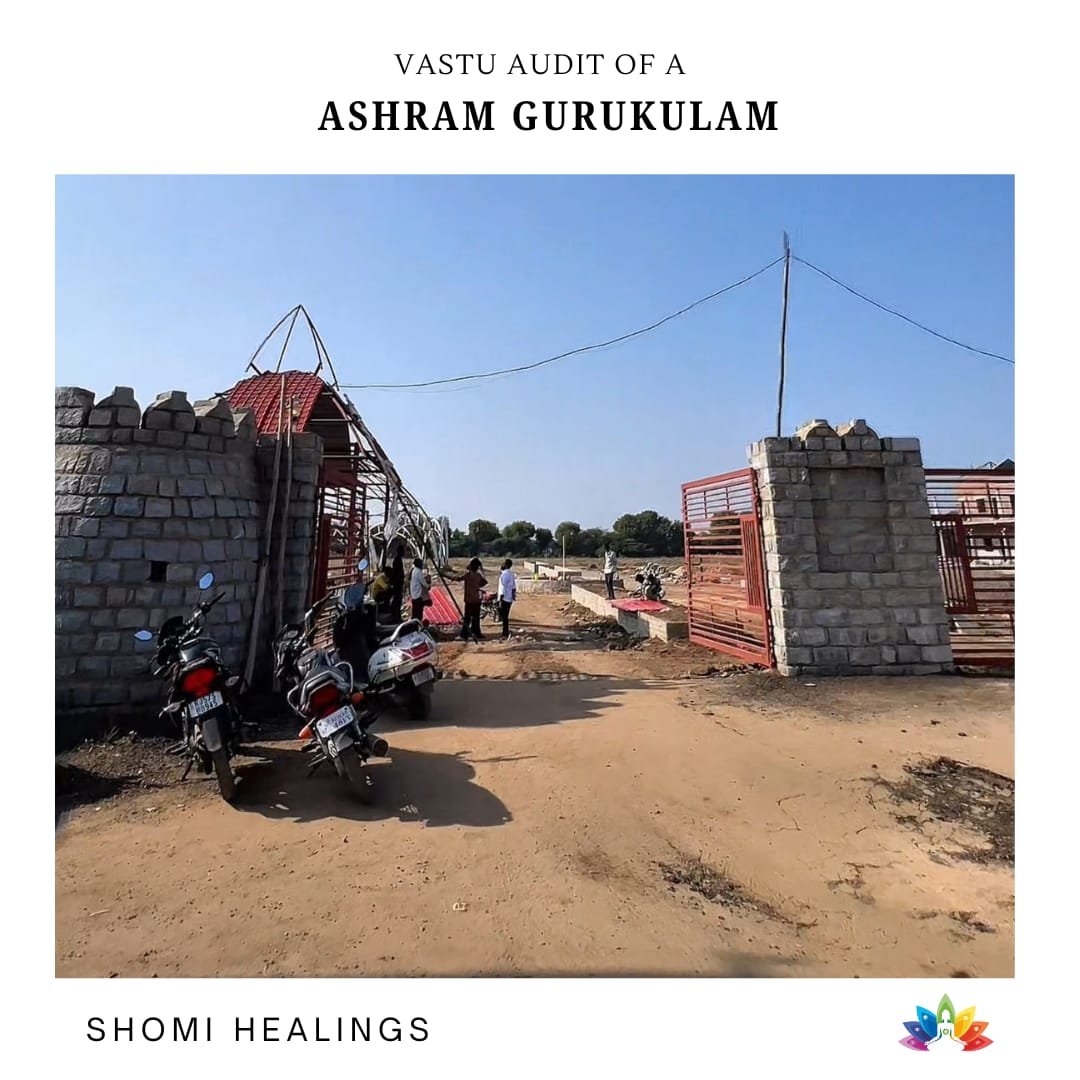
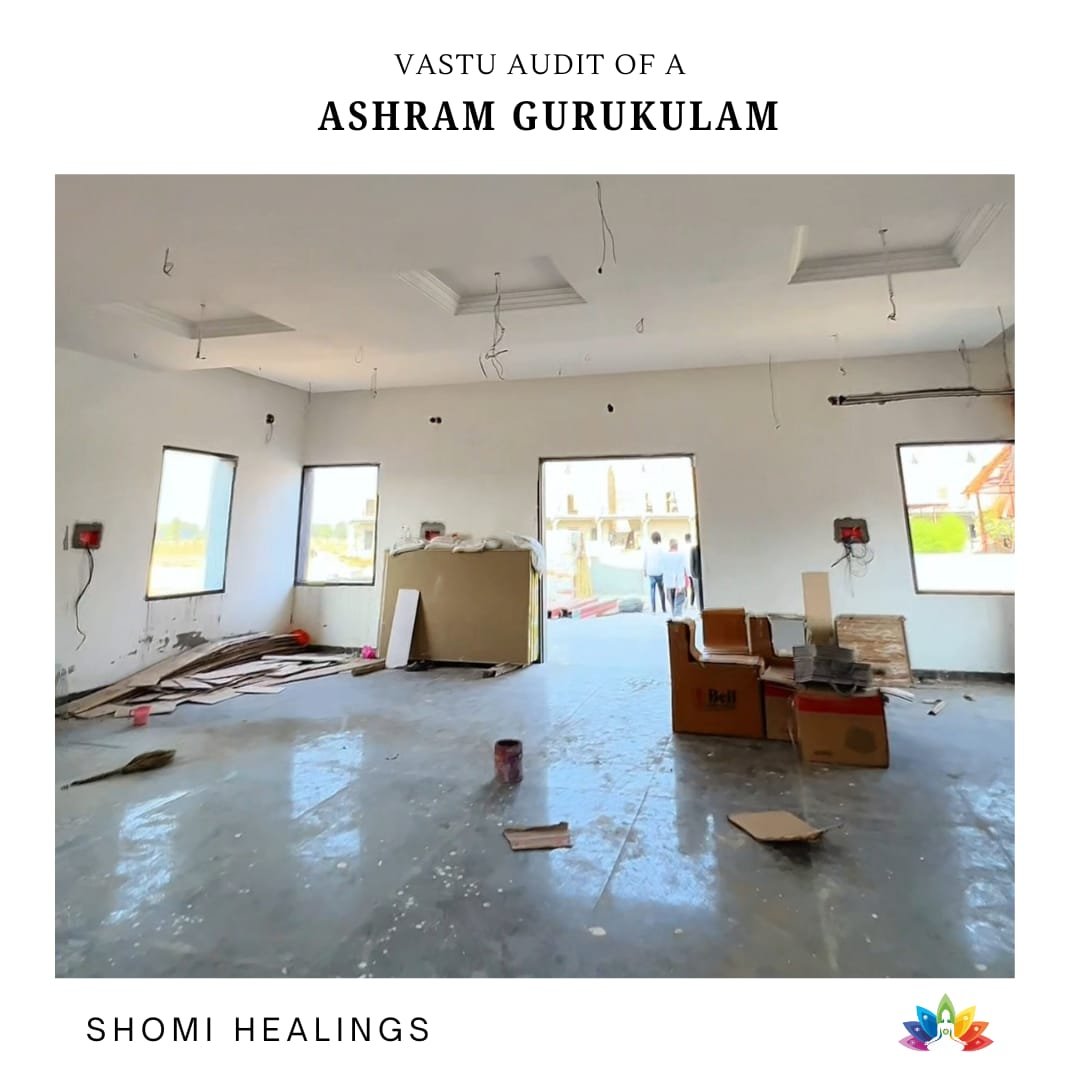
In Rajasthan, where traditional architecture is deeply rooted in the Shilpa Shastras, the most prominent success story of an ashram-style structure utilizing Vastu is the Sahast Foundation in Takhatghar, Rajasthan. While it functions as a cultural Gurukulam designed specifically as a “sanatan Gurukulashram” dedicated to the trial children with aim to serve as a center for free accommodation, food, education, and skill development for underprivileged tribal students, promoting cultural arts, sanskar n sanskriti, modeled entirely on the Vastu Purusha Mandala, covering dense dense forest regions of the Aravalli mountain range in Rajasthan.
The Success Story: Sanatan Gurukulam, Rajasthan
The Concept:
The structure is a direct physical manifestation of the nine-square grid (Navagraha Mandala). In Vastu, this grid represents the universe, with each square governed by a specific planet.
Vastu Implementation & Success Factors:
* The Empty Center (Brahmasthan): The central square is an open-air courtyard, representing the element of Akash (Space). This has been the key to the building's success; it acts as a "lung" for the structure, keeping it cool in the harsh Rajasthan heat and creating a meditative vacuum that draws people toward the center.
* Planetary Alignment: Each of the eight surrounding blocks is designed according to the characteristics of the planet ruling that direction:
* North (Mercury/Budha): Houses the library and documentation center aligning with the planet of knowledge and communication.
* South (Mars/Mangal): Contains the administration and power-related offices, reflecting the planet's leadership energy.
* North-East (Jupiter/Guru): Reserved for the theater and spiritual arts, as this is the most "sattvic" and auspicious corner.
* Material Harmony: By using local red sandstone, the structure maintains a "Prithvi" (Earth) element balance, grounding the high-energy activities within.
The Result:
Since its completion, has become the heartbeat of Rajasthan’s cultural tribal children’s life.
Saints and spiritual seekers, sadhakas and gruhasthis visit it to study how ancient Vastu wisdom can be scaled to a massive public complex. It is considered one of the most energetically “balanced” modern buildings in Rajasthan.
Additional Successes in the Region:
* The Correction: These successes often involved reopening the Chowk (central courtyard). In many old buildings, these had been covered, “suffocating” the Vastu Purusha.
* The Result: Re-opening the center to the sky (the Brahma-sthana) led to a revival of the building’s “Prana,” making them successful commercial and spiritual destinations.
Key Vastu Tips for Rajasthan's Climate If you are looking at ashram Vastu specifically for this arid region, success often depends on:
* Thick Walls in the South-West: To block the harsh afternoon sun and keep the “Nairutya” (South-West) heavy and stable.
* Water in the North-East: Using small step-wells or fountains in the Ishana corner to provide natural cooling and spiritual clarity.
* Cross-Ventilation: Ensuring the “Vayu” (Wind) element flows from the North-West to keep the indoor air fresh without heavy mechanical cooling.